Palm Tree Removal in Doylestown, PA
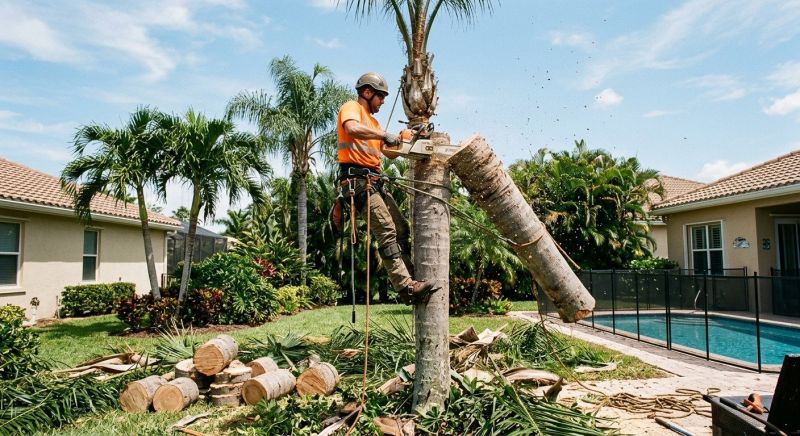
Palm tree removal services involve the safe and efficient removal of palm trees that are dead, diseased, damaged, or pose a safety hazard. These projects often include removing individual trees from residential yards, clearing multiple palms for property development, or addressing overgrown or unsightly palms that no longer serve the landscape. Property owners typically want to understand the scope of the removal process, including how the tree will be cut and disposed of, as well as any potential impact on surrounding plants or structures.
Before requesting palm tree removal, property owners should consider the size and location of the trees, as these factors influence the complexity and equipment needed for the job. It’s also helpful to understand any local regulations or restrictions regarding tree removal, especially for larger or protected species. Proper planning ensures the removal process is safe, efficient, and minimizes disruption to the property’s landscape.
Many property owners in Doylestown, PA look into Palm Tree Removal for repairs, replacements, upgrades, and appearance-related improvements.
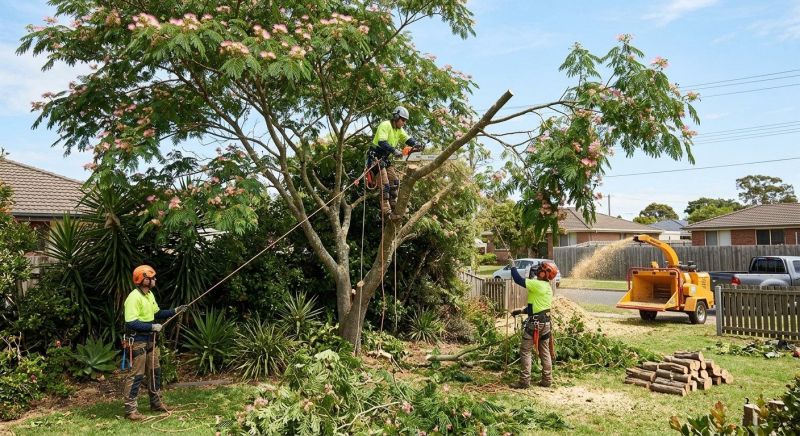
Reasons For Tree Removal
Trees may need removal due to disease, damage, or safety concerns on residential properties.
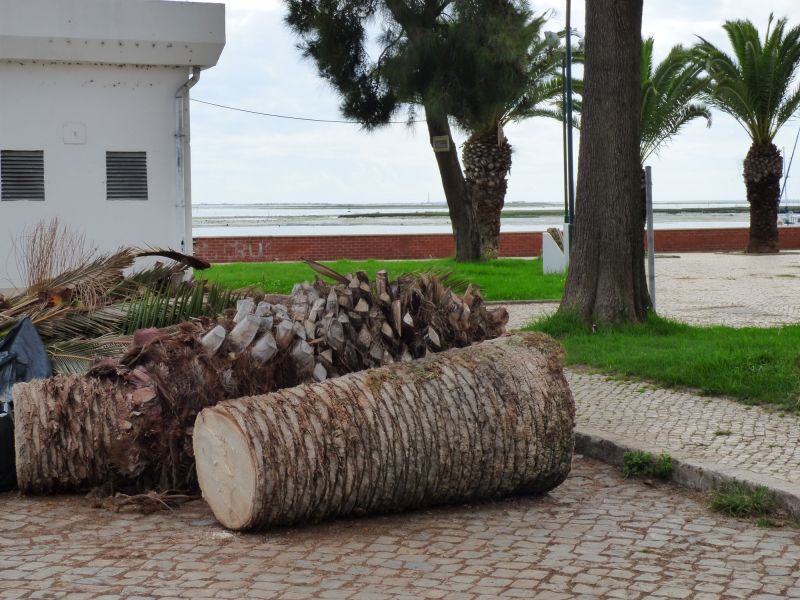
Safe Tree Removal Practices
Proper techniques ensure trees are removed efficiently while protecting surrounding structures and landscaping.

Post-Removal Cleanup
Clearing debris and stump grinding are essential steps to restore the appearance and safety of your yard in doylestown, pa.
Palm Tree Removal in Doylestown, PA
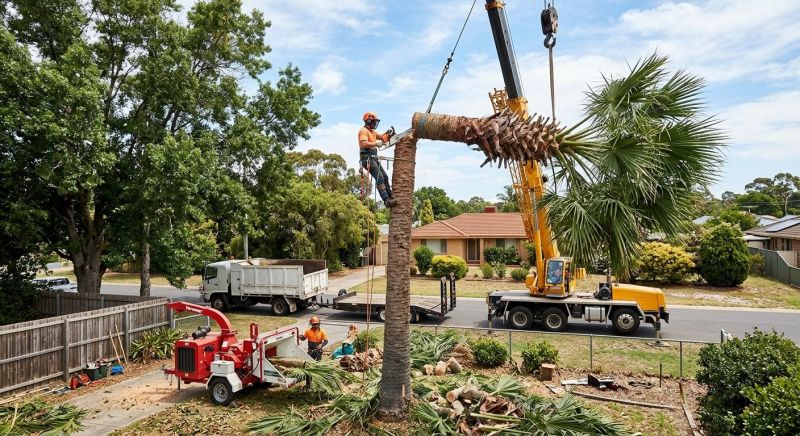
Palm tree removal services involve the safe and efficient removal of palm trees that are dead, diseased, damaged, or pose a safety hazard. These projects often include removing individual trees from residential yards, clearing multiple palms for property development, or addressing overgrown or unsightly palms that no longer serve the landscape. Property owners typically want to understand the scope of the removal process, including how the tree will be cut and disposed of, as well as any potential impact on surrounding plants or structures.
Before requesting palm tree removal, property owners should consider the size and location of the trees, as these factors influence the complexity and equipment needed for the job. It’s also helpful to understand any local regulations or restrictions regarding tree removal, especially for larger or protected species. Proper planning ensures the removal process is safe, efficient, and minimizes disruption to the property’s landscape.
Many property owners in Doylestown, PA look into Palm Tree Removal for repairs, replacements, upgrades, and appearance-related improvements.
Common Palm Tree Removal Jobs
Palm Tree Removal - Safely removes unwanted or hazardous palm trees from residential properties.
Stump Grinding - Eliminates remaining stumps to prevent regrowth and improve yard appearance.
Tree Trimming - Maintains palm health and aesthetics through professional pruning techniques.
Hazard Assessment - Identifies trees at risk of falling or causing damage to property.
Emergency Palm Tree Removal - Responds to storm damage or urgent safety concerns promptly.
Land Clearing - Removes multiple palms and debris to prepare the property for new landscaping.
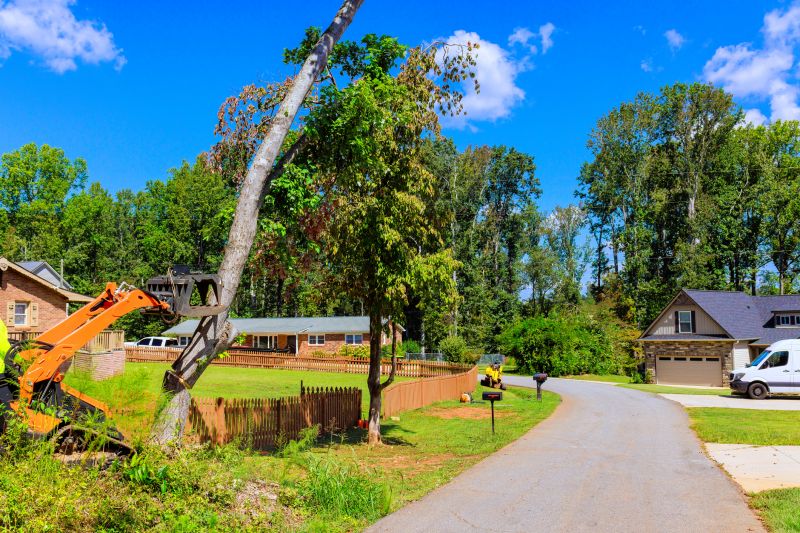

Palm Tree Removal Questions
When is palm tree removal necessary? Removal is recommended when a palm is diseased, damaged, or poses a safety risk due to instability or overgrowth.
What should property owners consider before removing a palm tree? It's important to assess the tree's size, location, and any potential impact on surrounding structures or landscaping.
Are there different methods of palm tree removal? Yes, options include top-down cutting, stump grinding, or complete excavation, depending on the size and situation.
What are common reasons for removing a palm tree? Reasons include disease, dead or dying fronds, root issues, or to improve the overall appearance of the property.
Request Palm Tree Removal in Doylestown, PA
Use the quote form on this page to share the basics of your project and request more information for the type of work you need.